Opening Ceremony of the AUN-QA Assessment for 4 Study Programmes at Ton Duc Thang University
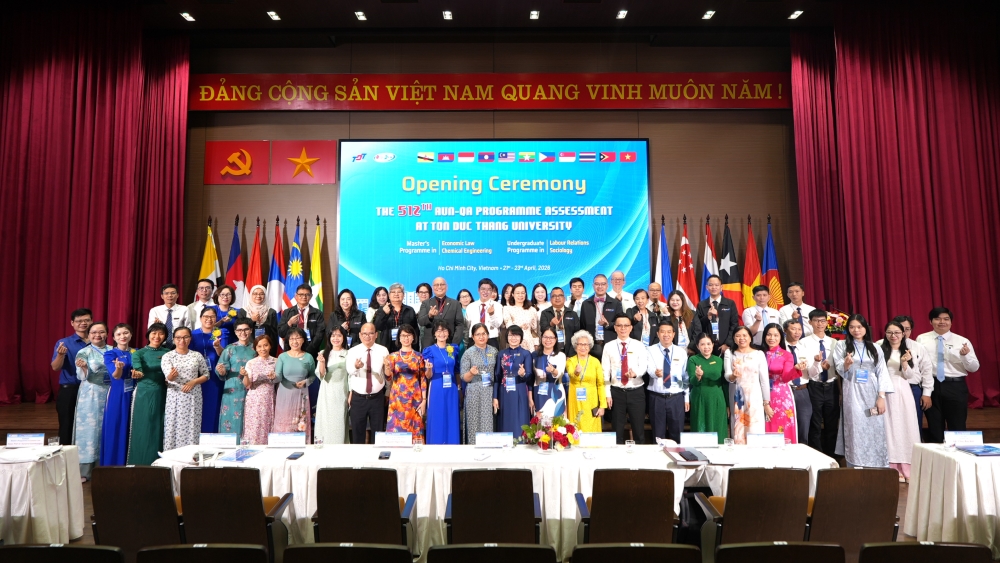
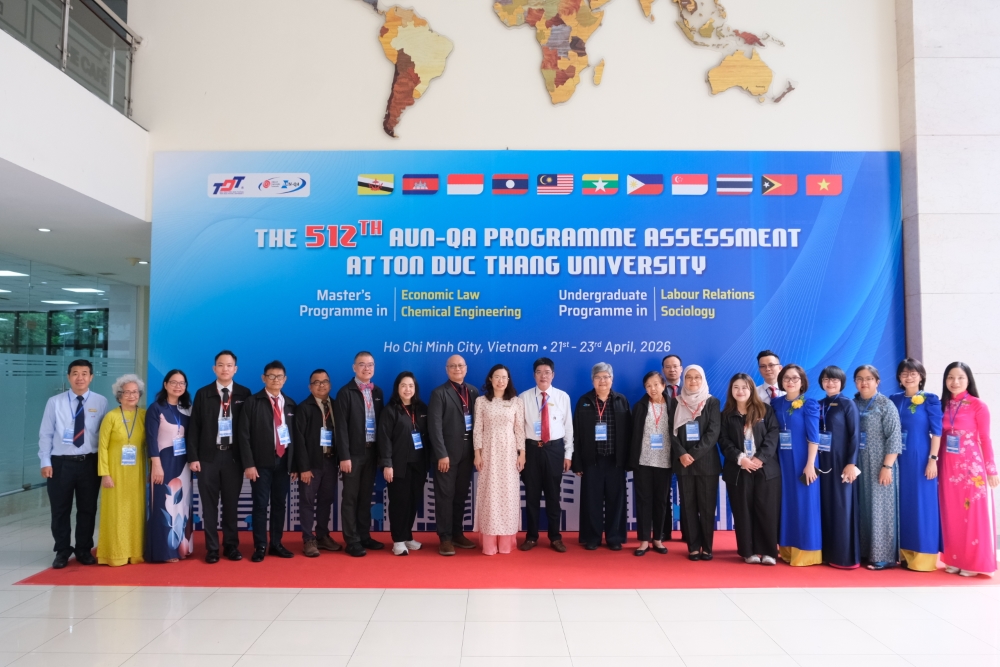
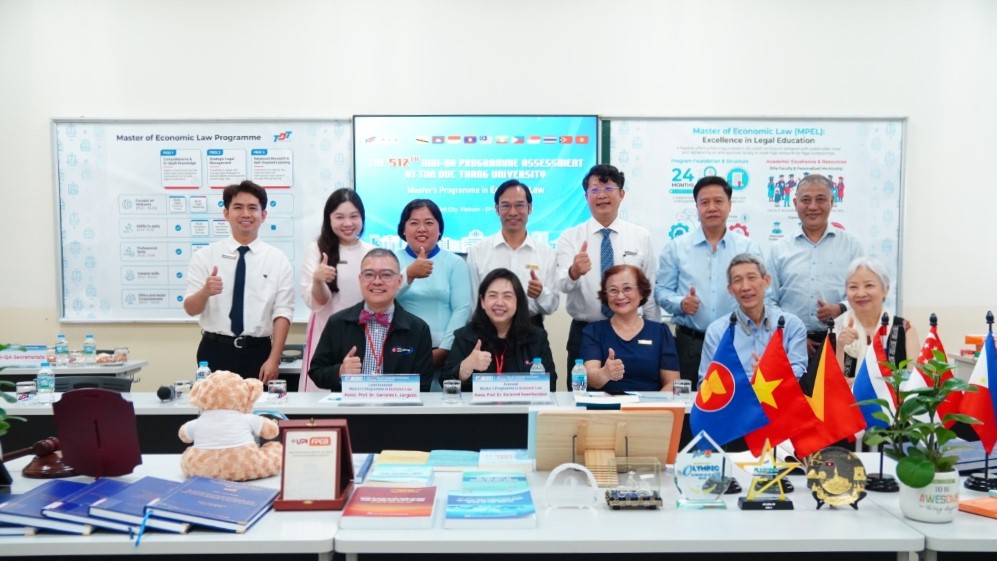
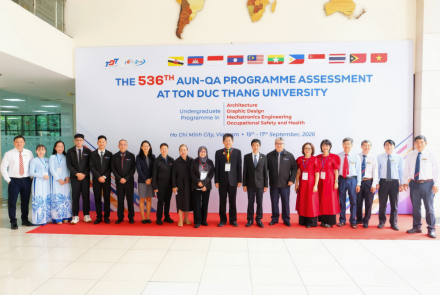
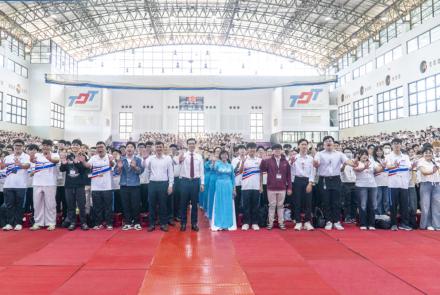
On 21 April 2026, Ton Duc Thang University (TDTU) held the opening ceremony of the on-site AUN-QA assessment for four study programmes. This marks the 512th assessment conducted by the ASEAN University Network (AUN).
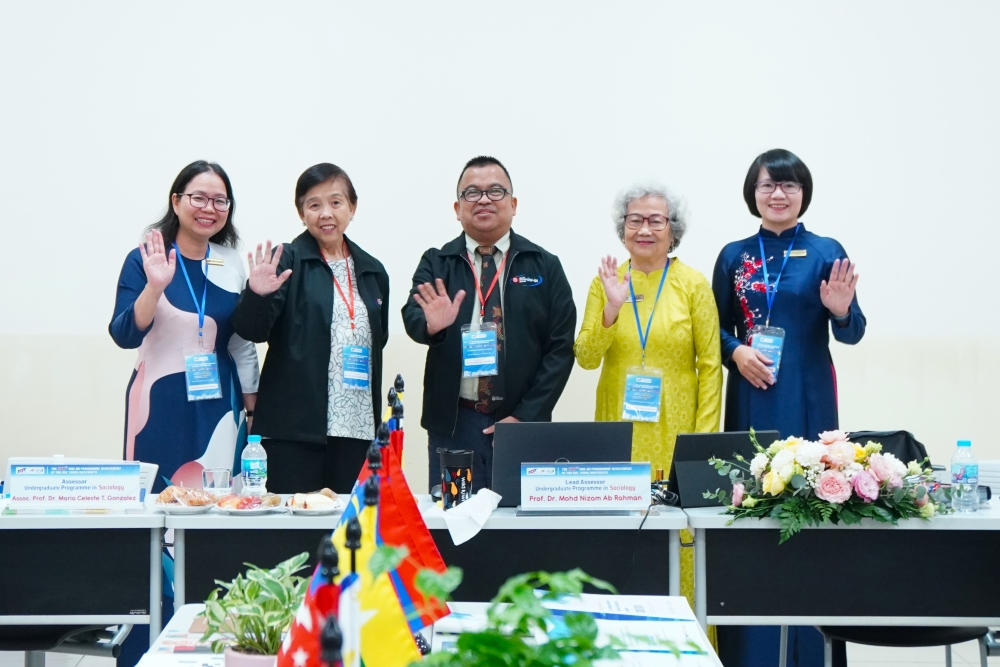
The four study programmes under assessment include: Master’s Programme in Economic Law, Master’s Programme in Chemical Engineering, Undergraduate Programme in Labour Relations, and Undergraduate Programme in Sociology.
The assessment forms part of TDTU’s roadmap to enhance the quality of its academic programmes, and demonstrates the University’s commitment to developing its training activities in line with regional and international quality standards.
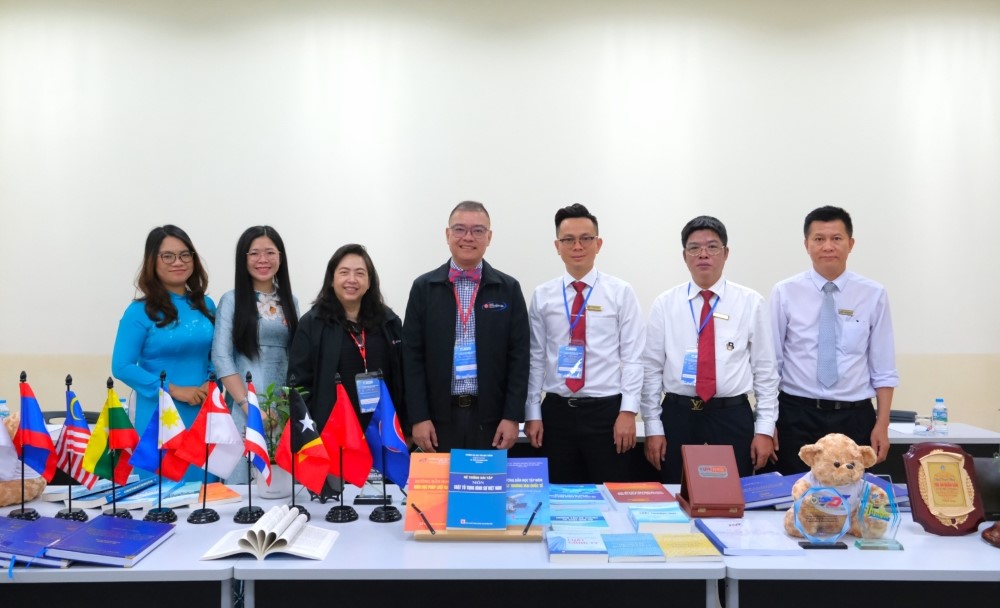
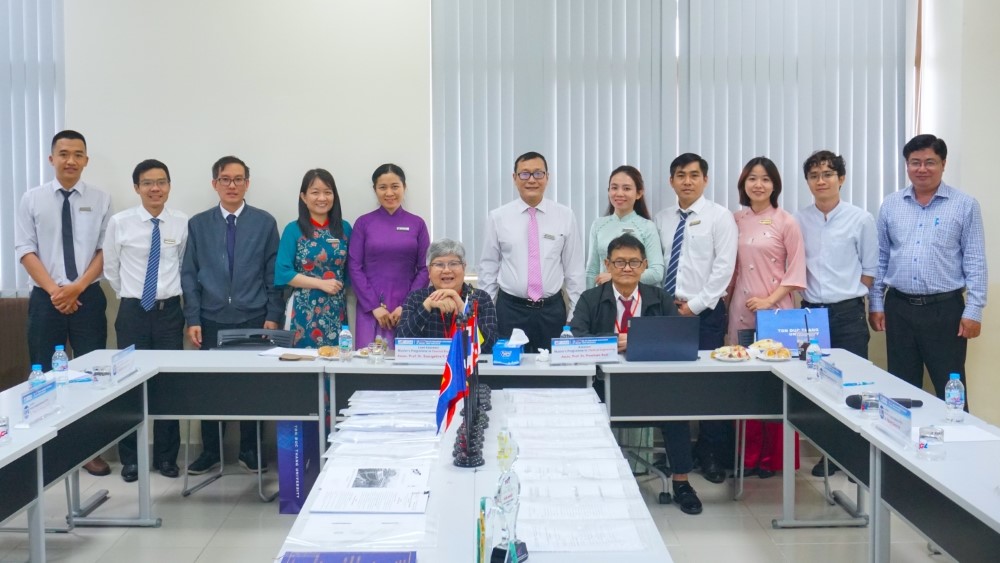
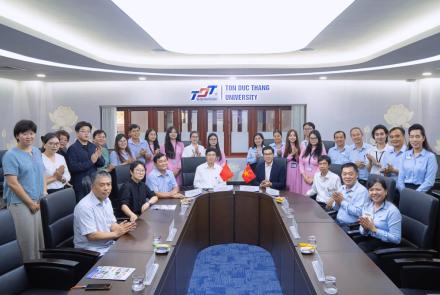
Attending the opening ceremony was the AUN-QA assessment team, comprising assessors and AUN-QA secretaries from Malaysia, Thailand, the Philippines, and Indonesia. Representing TDTU were Dr. Dong Si Thien Chau – Vice President, and Dr Nguyen Ngoc Son – Vice President, together with leaders of units, academic staff, undergraduate and postgraduate students from the programmes under assessment.
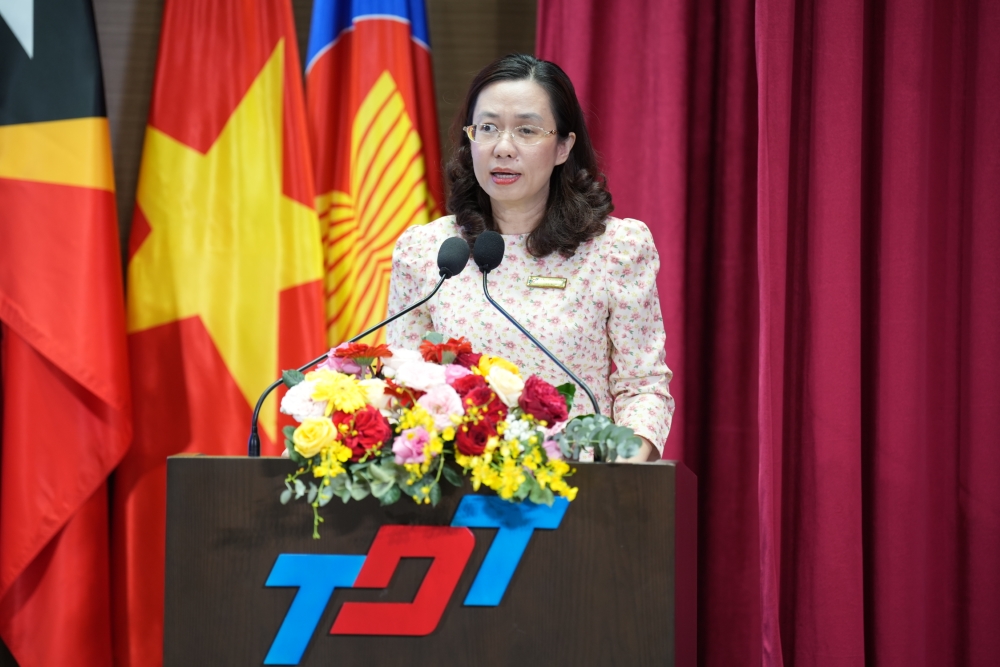
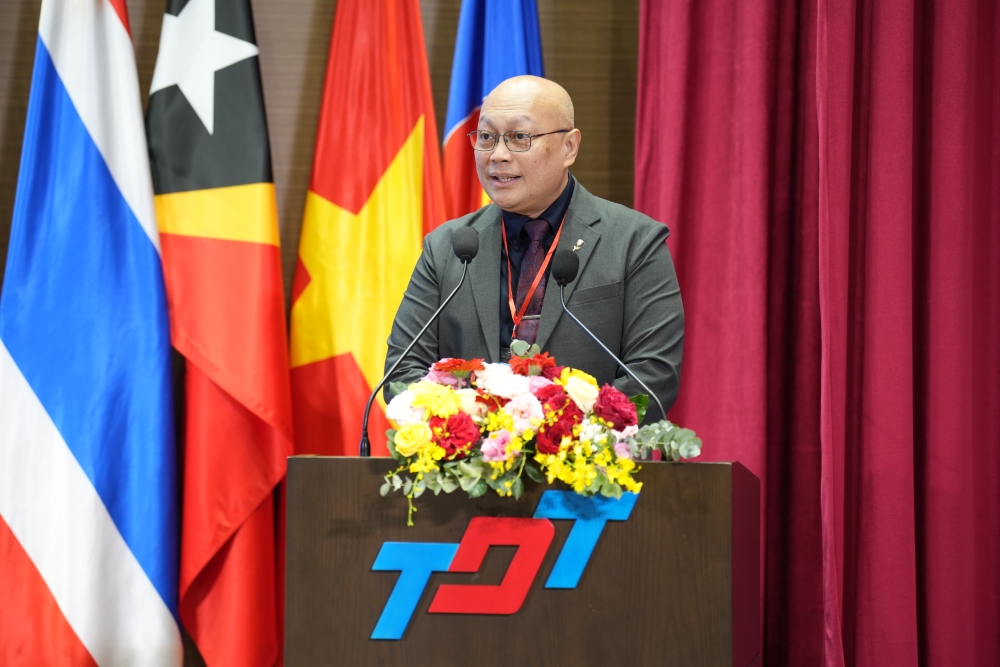
On behalf of the assessment team, Prof. Dr. Arnel Onesimo O. Uy acknowledged the University’s thorough preparation, cooperative spirit, and efforts in readiness for the assessment. He also emphasised that the assessment serves not only to assure quality but also to provide an opportunity for higher education institutions to pursue continuous improvement and benchmark against regional standards.
According to the plan, over three days from 21 to 23 April 2026, the AUN-QA expert panel will conduct the official assessment through meetings with academic staff, current students, alumni, and employers; as well as through classroom observations, facilities inspections, and a review of supporting evidence in accordance with the AUN-QA Version 4.0 criteria.
This marks the tenth time that TDTU has undertaken programme accreditation in accordance with AUN-QA standards. The continued expansion in the number of programmes participating in regional and international accreditation demonstrates the University’s strong emphasis on improving curricula, teaching methodologies, and quality assurance conditions, as well as its sustained commitment to development in line with international standards.
The assessment results and recommendations from the expert panel will provide a basis for TDTU to further review and refine its study programmes, enhance the effectiveness of its quality assurance system, and better meet the needs of learners, society, and the labour market in the context of higher education integration.