Tuoi Tre Newspaper: Ton Duc Thang University Launches "Drug-Free School" Model
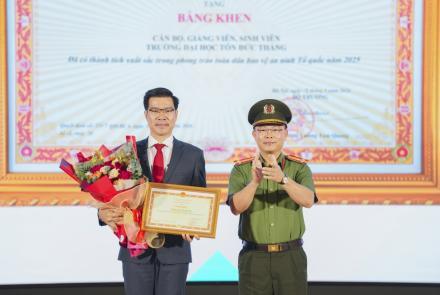
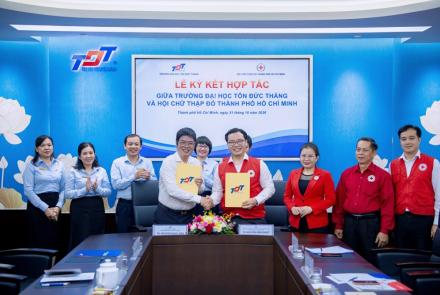
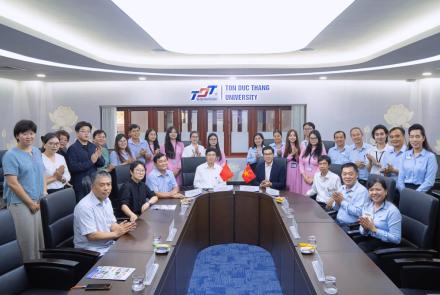
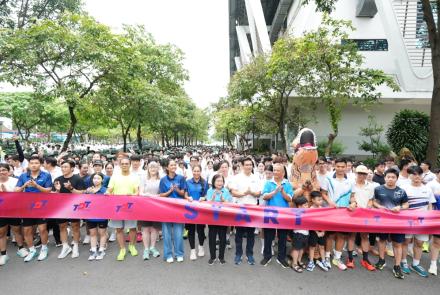
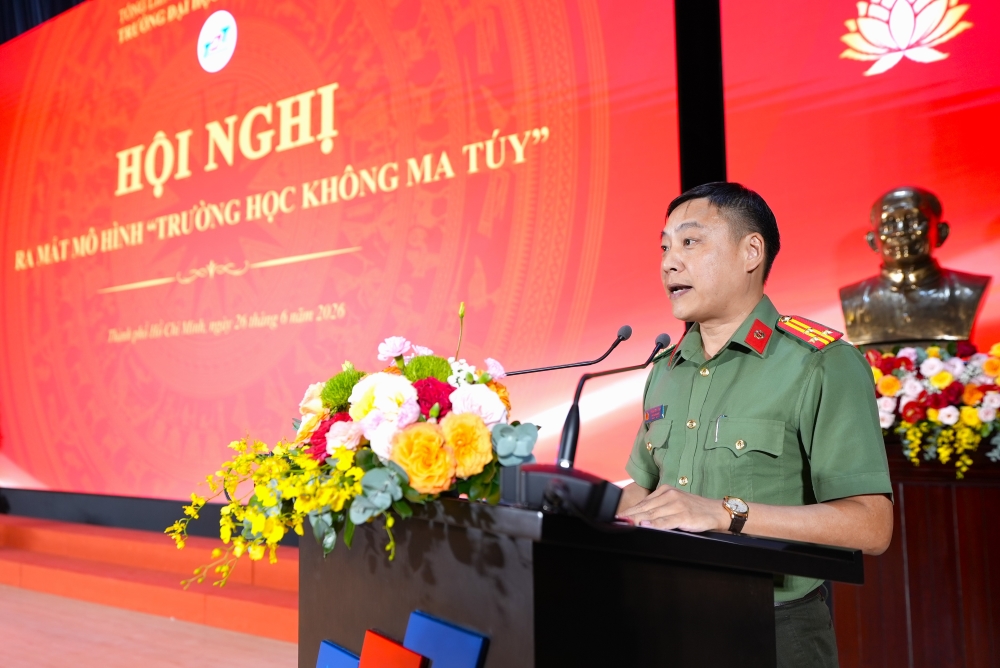
On the afternoon of June 26, Ton Duc Thang University, in collaboration with the Ho Chi Minh City Police Department, held a conference to launch the "Drug-Free School" model, attended by more than 1,200 faculty members, staff, and students.
Drug Abuse Among Young People Raises Serious Concerns
Presenting at the conference, Ms. Pham Nguyen Bach Hue, Director of the Student Support Center at Van Hien University, cited statistics released by the Ministry of Public Security showing that approximately 60% of first-time drug users are between the ages of 15 and 25, while 70–75% of synthetic drug users fall within the 17–35 age group.
According to Ms. Hue, these age groups encompass the majority of high school and university students, highlighting the growing threat of drug abuse among the nation's young intellectual workforce.
"Drugs today no longer exist only in traditional forms. They are increasingly disguised in sophisticated ways, making them much more difficult to identify and prevent. When a student falls into drug abuse, the consequences extend far beyond the individual, causing immense suffering for families and undermining the quality of the future workforce," she emphasized.
Similarly, Senior Colonel Phan Huy Van, Deputy Director of the Ho Chi Minh City Police Department, noted that the city is home to more than 700,000 students enrolled in universities and colleges.
He described them as the city's future intellectuals and highly qualified workforce, stressing that creating a safe educational environment while strengthening awareness campaigns and equipping students with the knowledge and skills to recognize and avoid drugs is of particular importance.
"Drug prevention and control require the participation of the entire political system, guided by the principle that 'every citizen is a frontline fighter, every family is a stronghold, and every locality is a fortress' in combating drug-related crimes from the grassroots level," he said.
Stay Vigilant Against Seemingly Harmless Requests
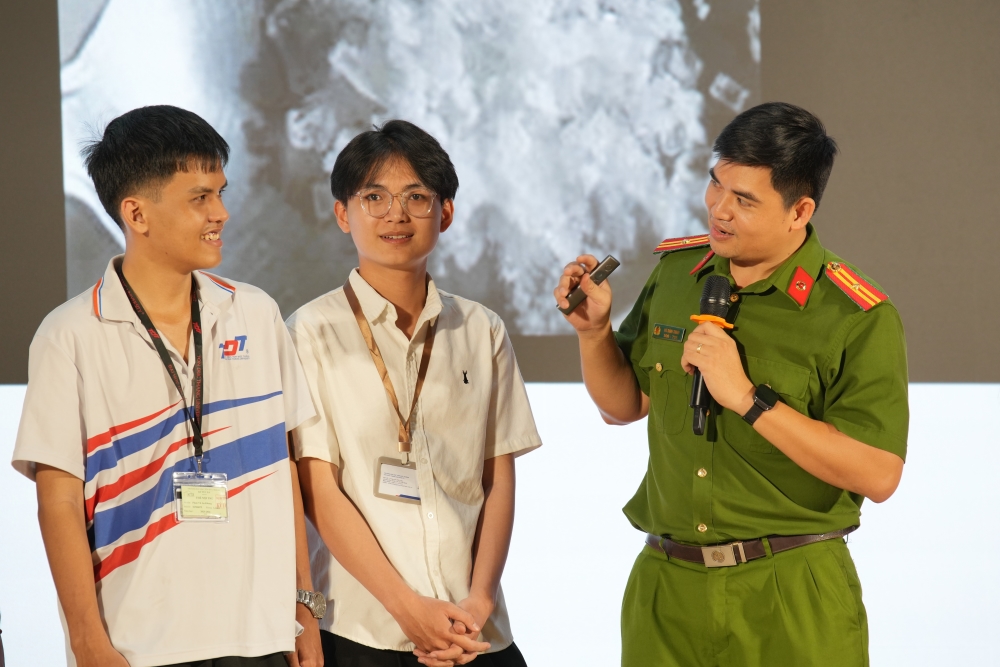
At the conference, Major Vu Dinh Thinh, representing the Drug Crime Investigation Division (PC04), presented a number of real-life scenarios for students to analyze and discuss.
One scenario involved a friend visiting a student's rented room and asking to borrow seemingly harmless personal items such as a student ID card, citizen identification card, or driver's license in order to facilitate drug use.
Major Thinh explained that even an apparently innocent act, such as lending tools or means that assist another person's illegal drug use, could unintentionally make the lender an accomplice to unlawful activities.
According to him, anyone who knowingly allows others to use drugs by providing a location, equipment, or means of consumption—or permitting drug use in premises under their management, such as a house, rental room, or dormitory—may face legal liability under Vietnamese law.
He also warned that many illicit drugs are now disguised as common food and beverage products, including fruit juice, milk tea, chocolate, lollipops, and even pharmaceutical products with attractive packaging, making young people particularly vulnerable.
Students were advised never to consume food or drinks of unknown origin or those offered by strangers or newly acquainted individuals at parties, as numerous cases have involved drugs being secretly mixed into food or beverages, leading to addiction, legal consequences, or dangerous infectious diseases.
"Students can also proactively report suspected drug-related crimes, drug abuse, and other public security concerns through the Ho Chi Minh City Police Department's SOS Public Security mobile application, enabling authorities to respond promptly," Major Thinh added.
Building Prevention Through Education
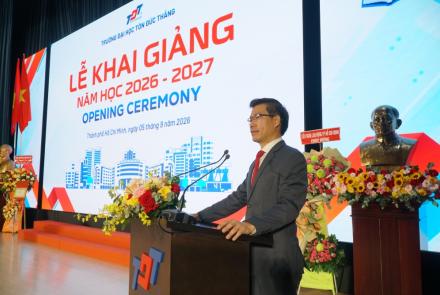
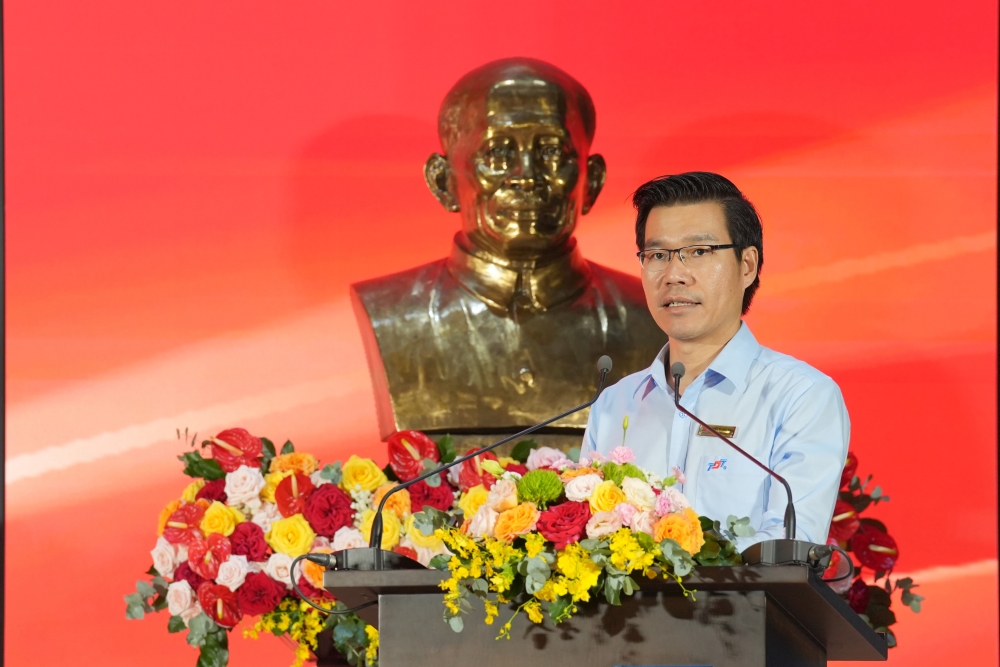
Speaking at the ceremony, Assoc. Prof. Dr. Tran Trong Dao, President of Ton Duc Thang University, stated that the growing threats posed by drugs and other social evils to young people should not be viewed merely as issues of campus security or student management, but rather as matters of education, culture, and responsibility for the country's future.
Accordingly, the University has introduced the "Drug-Free School" model based on directives issued by the Government, the Ministry of Public Security, the Ministry of Education and Training, the Ho Chi Minh City People's Committee, and the Ho Chi Minh City Police Department to strengthen drug prevention and control in educational institutions.
"We firmly believe that a positive educational environment nurtures responsible citizens, while a strong institutional culture builds resilience against the negative influences of society," Dr. Dao concluded.
Source: Tuoi Tre Newspaper