Saigon Giai Phong Online: Ton Duc Thang University Launches the “Drug-Free School” Model
On the afternoon of June 26, Ton Duc Thang University (TDTU), in collaboration with the Ho Chi Minh City Police Department, officially launched the “Drug-Free School” model. As part of the initiative, the University requires 100% of students enrolled in academic programs to sign a commitment to comply with drug prevention and control laws, while 100% of the University's faculties and affiliated units are tasked with organizing awareness and educational activities to build a “strong protective shield” against drug infiltration on campus.
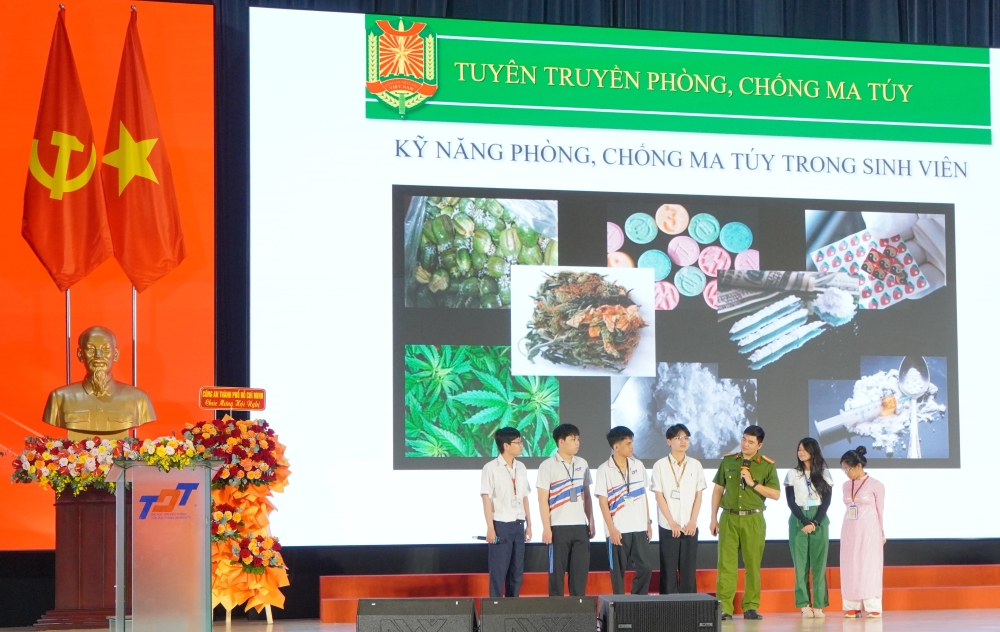
The conference was held in response to the Action Month for Drug Prevention and Control and the National Day for Drug Prevention and Control (June 26). It also supports the implementation of Resolution No. 02-NQ/TU, issued on December 12, 2025, by the Ho Chi Minh City Party Committee on enhancing the effectiveness of crime and drug prevention efforts, with the goal of building a drug-free Ho Chi Minh City by 2030.
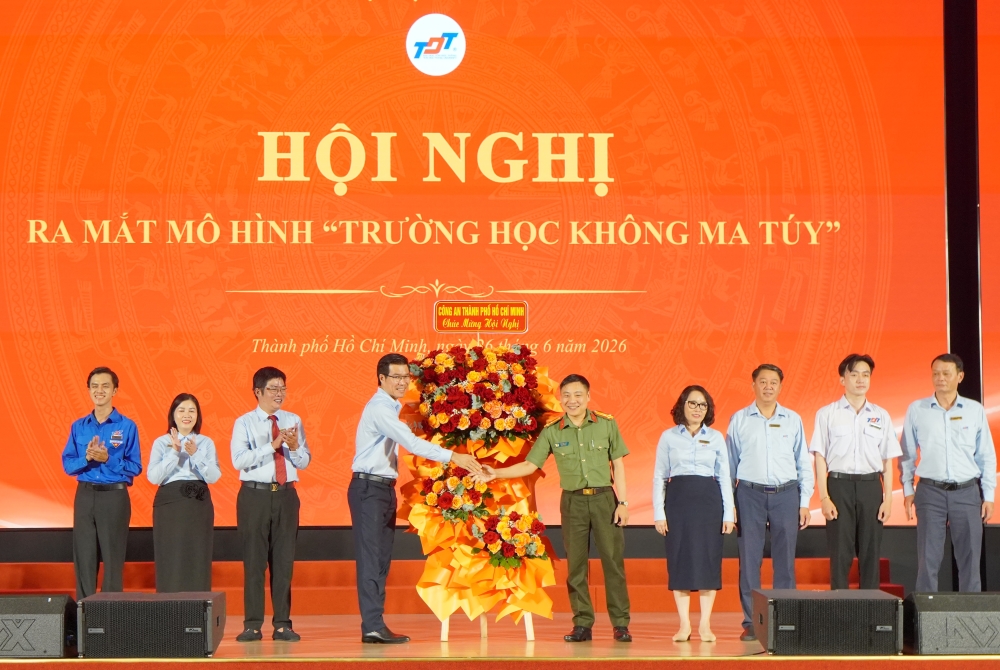
The conference was attended by Pham Quy Trong, Deputy Director General of Local Affairs Department No. 3 under the Central Commission for Information, Education and Mass Mobilization; representatives of the Ho Chi Minh City People's Committee Party Committee; Senior Colonel Phan Huy Van, Deputy Director of the Ho Chi Minh City Police Department; representatives of the Ho Chi Minh City Department of Education and Training; delegates from 68 universities and colleges across the city; and more than 1,200 lecturers, staff members, and employees of Ton Duc Thang University.
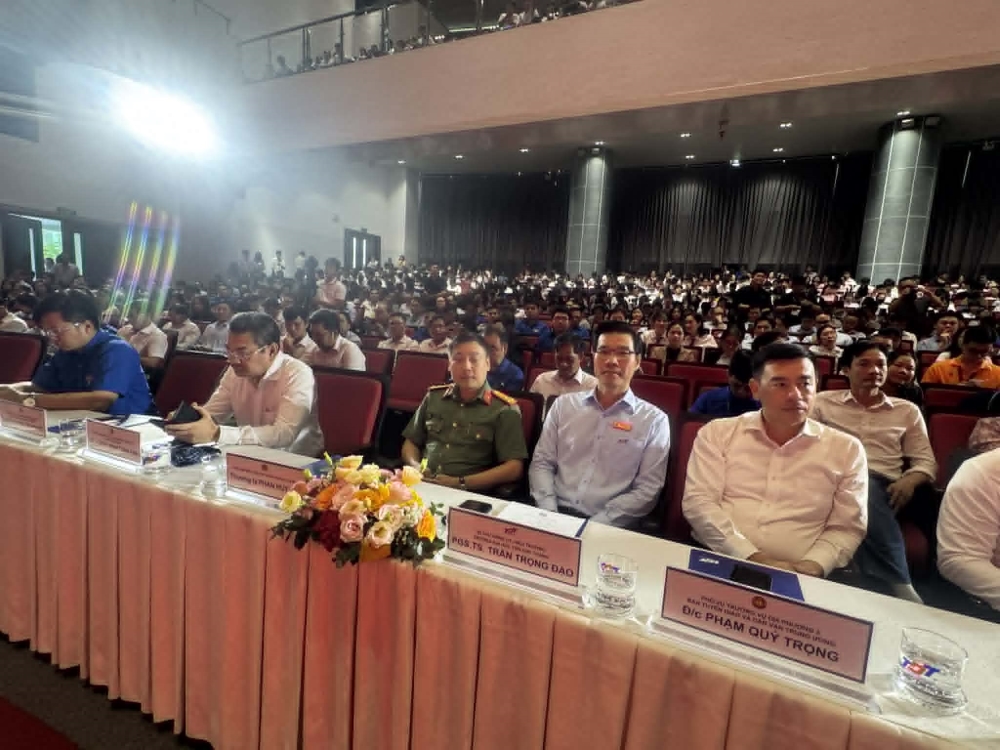
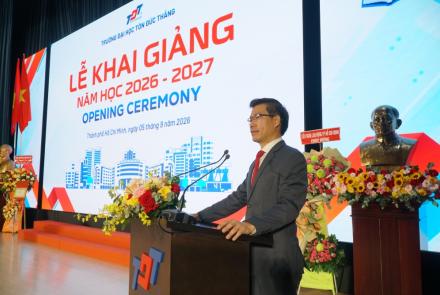
Speaking at the launching ceremony, Assoc. Prof. Dr. Tran Trong Dao, President of Ton Duc Thang University, emphasized that implementing the “Drug-Free School” model aims to create a drug-free educational environment, improve awareness, legal knowledge, and skills in identifying and preventing drug-related risks, while encouraging lecturers, staff, employees, and students to take an active role in drug prevention and control.
The University identified several key priorities, including: strengthening communication on the Party's guidelines, State policies and laws, and the University's regulations on drug prevention through its digital platforms; developing communication products such as infographics, short videos, podcasts, e-newsletters, and posters to increase student engagement; establishing mechanisms for receiving, managing, and coordinating responses to drug-related information while ensuring the confidentiality of informants.
TDTU was selected by the Ho Chi Minh City Police Department as the pilot institution for implementing the “Drug-Free School” model in the city. Throughout the pilot phase, the University has committed to working closely with relevant authorities to evaluate the model's effectiveness and provide a practical basis for refining and expanding it to other educational institutions across Ho Chi Minh City.
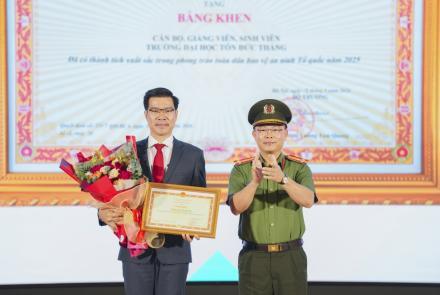
Addressing the conference, Senior Colonel Phan Huy Van, Deputy Director of the Ho Chi Minh City Police Department, stressed that crime prevention in general, and drug crime prevention in particular, is a critical, urgent, and long-term mission closely associated with the city's goal of becoming drug-free by 2030. He emphasized that this effort requires the direct and comprehensive leadership of Party committees, unified direction from all levels of government, active participation from the entire political system, and strong support from the public.
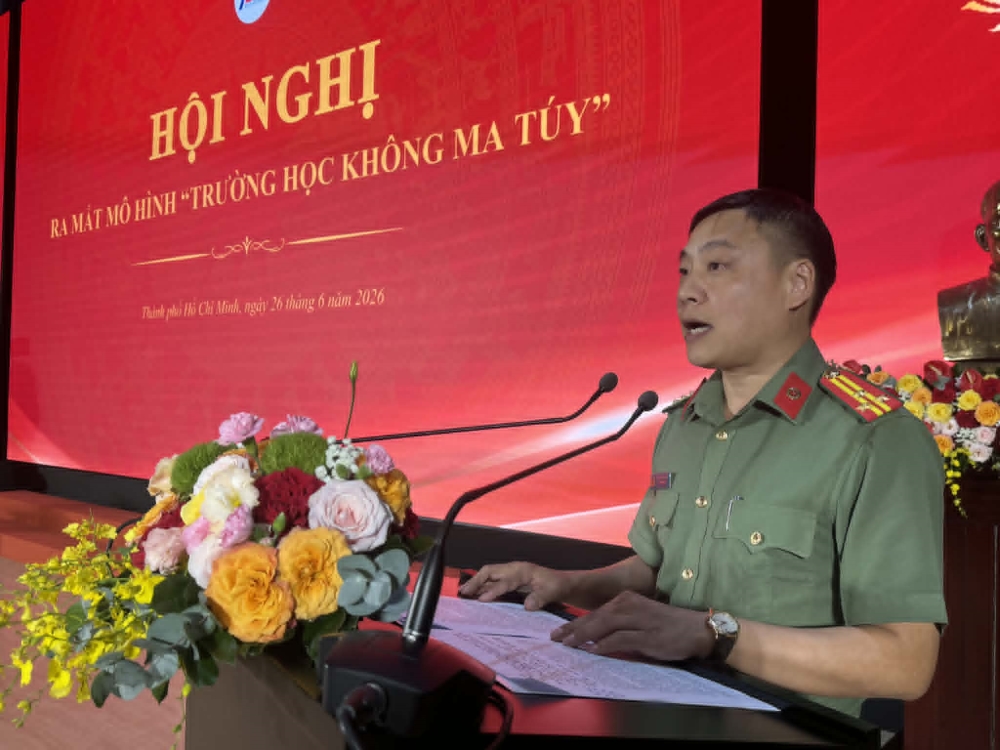
Ho Chi Minh City is currently home to approximately 700,000 university and college students, representing a core force of highly qualified future professionals and an important pillar of national development. As pioneers in acquiring knowledge, driving innovation, conducting scientific research, and contributing to community development and international integration, students play a crucial role in society. Therefore, alongside academic training, universities must continuously educate students on recognizing and resisting manipulation by criminal organizations and hostile forces, complying with the law, and staying away from social evils, particularly drug abuse.
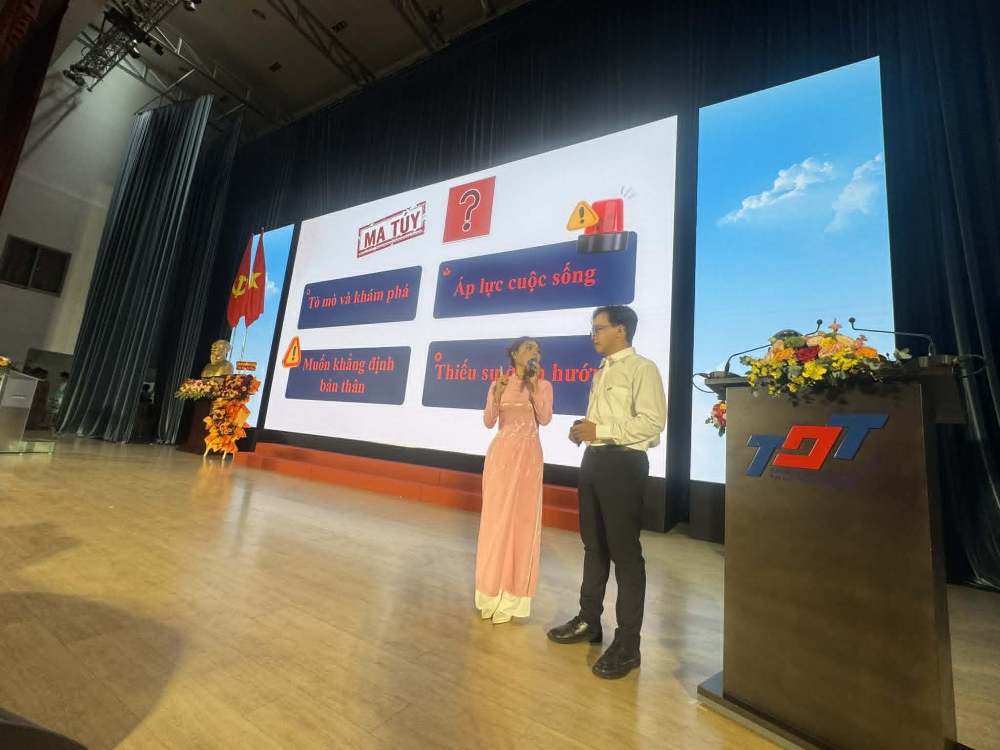
To ensure that crime and drug prevention efforts in educational institutions—and particularly the implementation of the “Drug-Free School” model—produce substantial, sustainable, and scalable results beyond the pilot at Ton Duc Thang University, the Deputy Director of the Ho Chi Minh City Police Department proposed four key priorities: Fisrtly, Party committees and university leadership should incorporate drug prevention and control into annual resolutions and work plans to ensure consistent direction and oversight. Secondly, universities should strengthen the management of Party members, officials, public employees, staff, and students to prevent violations and promptly detect and strictly handle any breaches of the law. Thirdly, Communication and awareness campaigns should be intensified, with every Party member, official, staff member, youth union member, and student serving as a role model and taking the lead in preventing drug-related crimes and social evils. Fourthly, specialized divisions of the Ho Chi Minh City Police Department should coordinate with and provide guidance to educational institutions in implementing effective drug prevention and crime prevention measures.
During the conference, representatives from participating universities also delivered presentations, reaffirmed their commitment, and proposed solutions for strengthening cooperation with the Ho Chi Minh City Police Department and local authorities in implementing the objectives of Resolution No. 02 issued by the Ho Chi Minh City Party Committee.
Source: Sai Gon Giai Phong Online